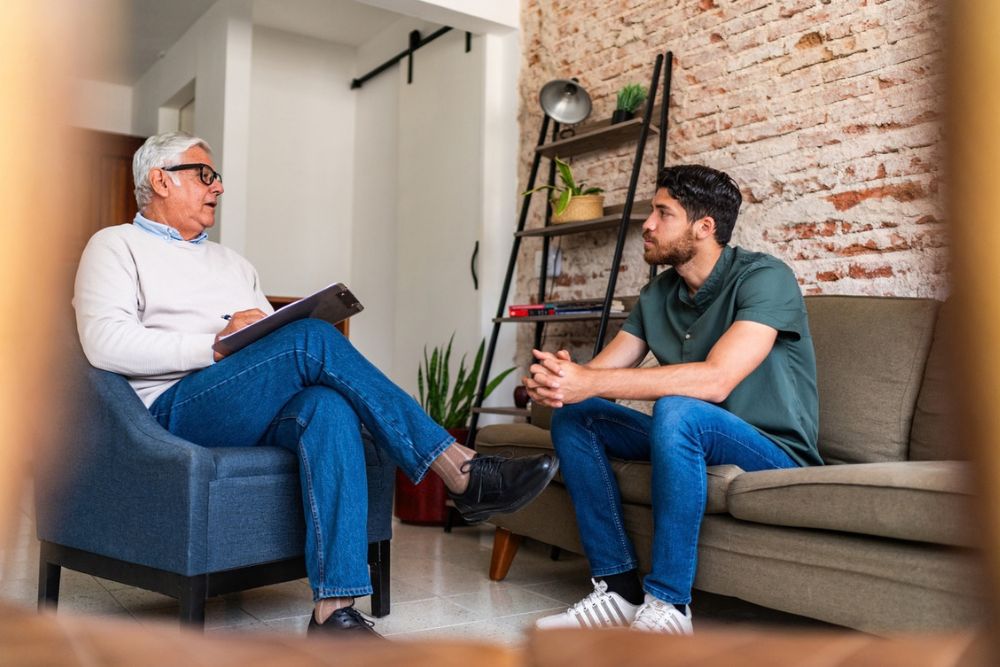
Choosing to enter a treatment facility for substance use is a courageous and important step toward a healthier future. Beginning recovery takes strength, and seeking support is an accomplishment worth recognizing. Preventing relapse is an essential part of addiction treatment, and this begins on the first day of a recovery program. As part of a...Read More
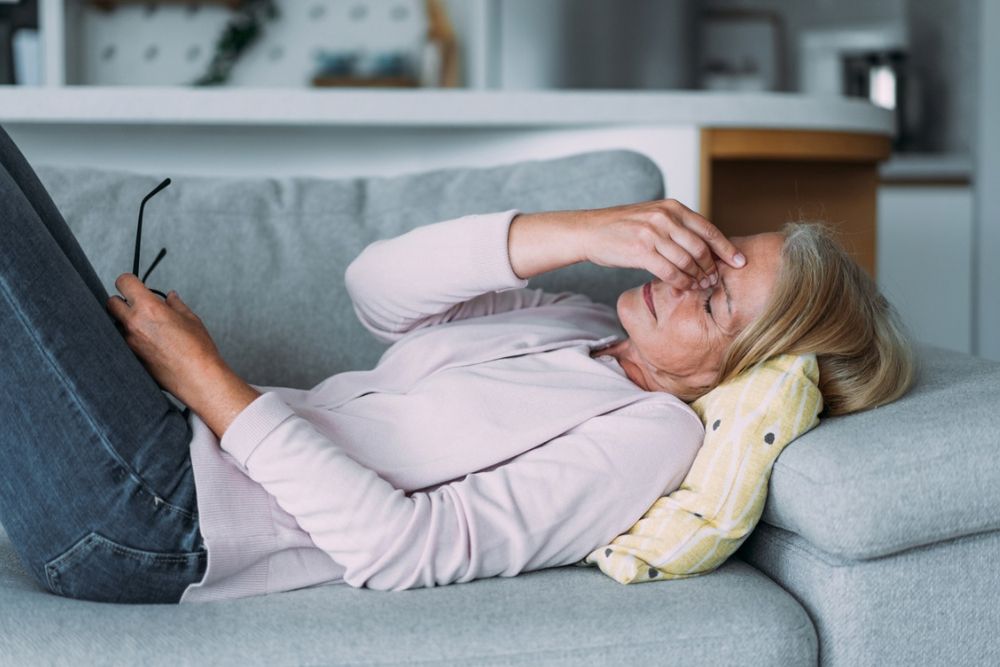
Sometimes stress accumulates so gradually that you don’t realize how depleted you are until ordinary responsibilities begin to feel overwhelming. You may continue going to work, caring for family, answering messages, and meeting obligations, yet feel as though your internal reserves have disappeared. This kind of depletion isn’t a personal failure or a sign of...Read More
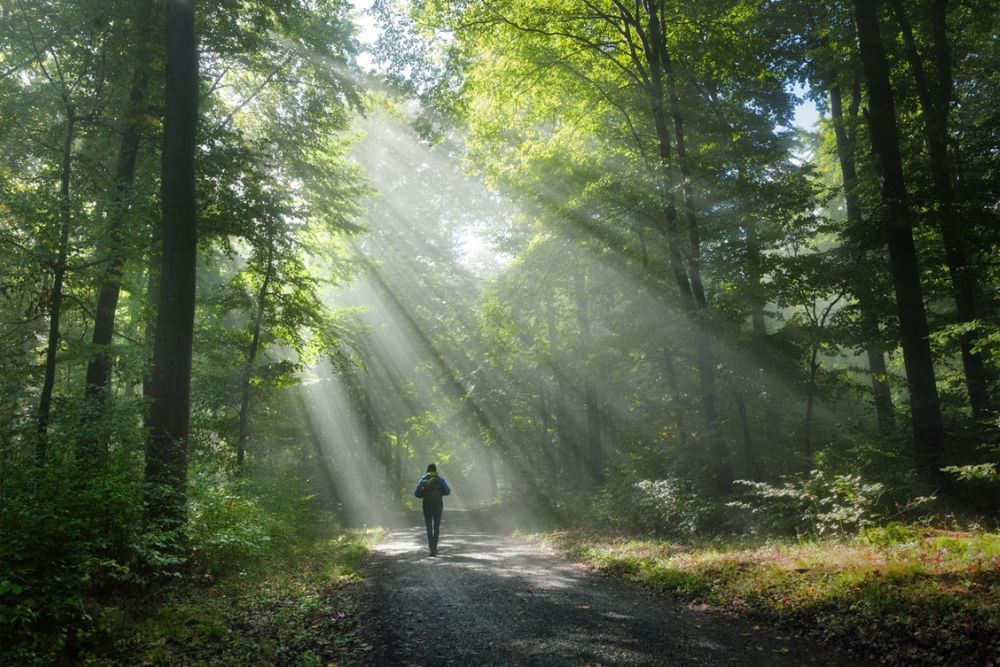
What if feeling better began with something as simple as walking into a forest and slowing down? Forest bathing, or shinrin-yoku, is a Japanese practice that encourages you to immerse yourself in nature—not to conquer a trail or rack up miles, but to pause, pay attention, and experience the environment through all five senses. The...Read More
The balance of mental and emotional health is vital to every aspect of your life, from how you handle stress and relationships to how you respond to challenges, setbacks, and change. While therapy, support groups, and self-care practices play important roles in emotional wellness, books can also provide valuable insight and encouragement. Reading about mental...Read More
Getting sober is a significant accomplishment, but stopping alcohol use doesn’t necessarily mean that every challenge associated with addiction disappears. Some people stop drinking yet continue to struggle with anger, resentment, anxiety, impulsive behavior, relationship problems, or an inability to cope with everyday life. In recovery communities, this experience is sometimes called “dry drunk syndrome”...Read More
Mental health disorders don’t make someone weak, broken, dangerous, or less deserving of love. They make someone human. Yet for many people living with depression, anxiety, bipolar disorder, schizophrenia, PTSD, or other conditions, a diagnosis can feel like a second burden layered on top of the first: the fear of being judged. Similar to drug...Read More
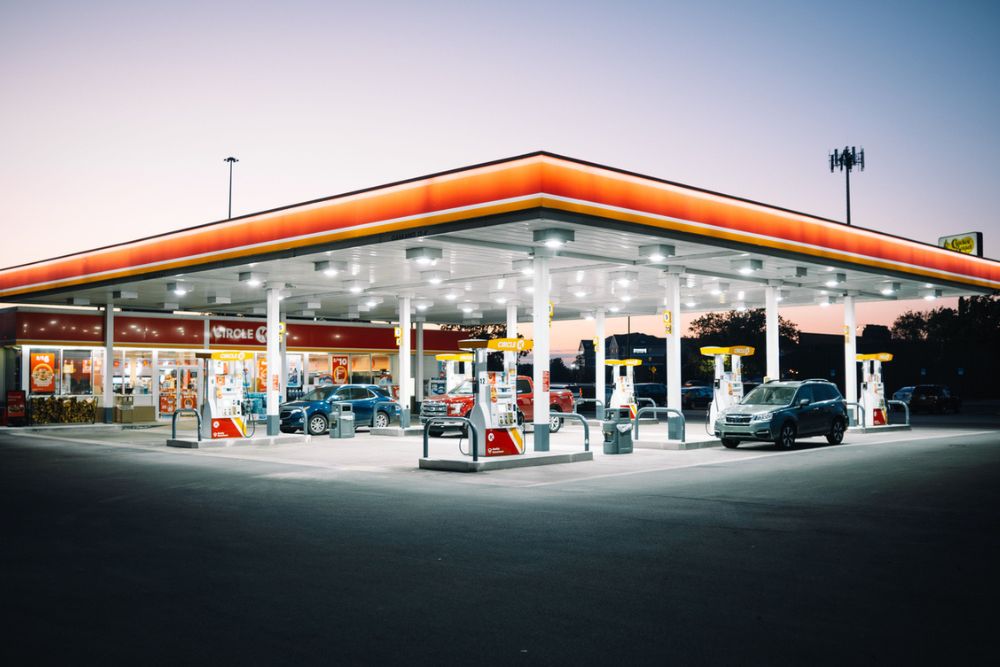
Tianeptine is a synthetic drug originally developed as an antidepressant and prescribed in some countries outside the U.S. However, it’s never been approved by the U.S. Food and Drug Administration (FDA) for medical use in America. Despite that fact, tianeptine products are sold online and in convenience stores, gas stations, smoke shops, and other retail...Read More
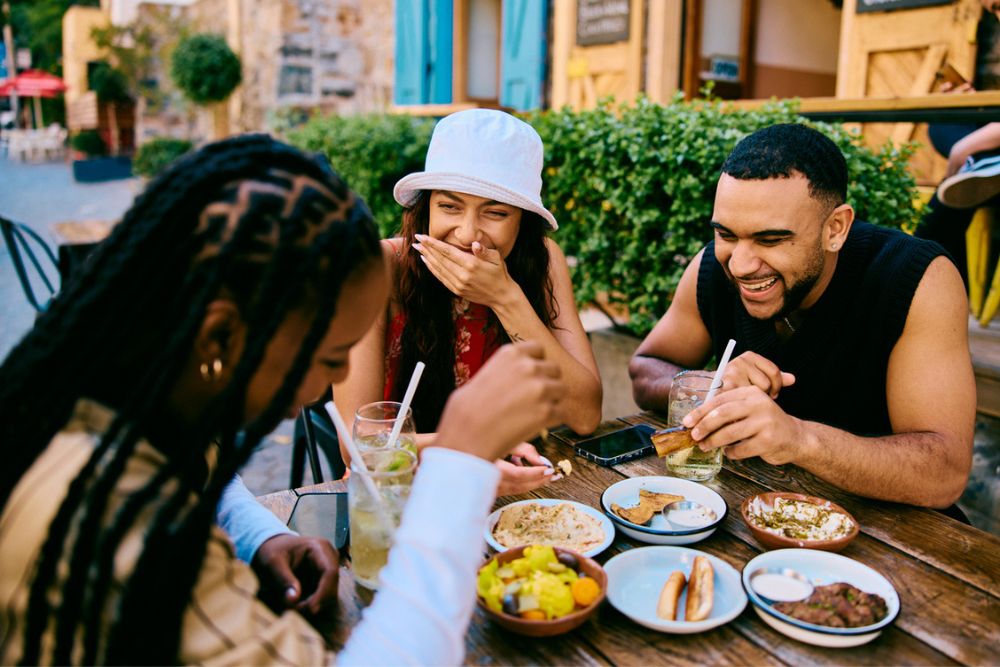
“Laughter is timeless, imagination has no age, and dreams are forever.” — Walt Disney Have you ever laughed so hard your stomach hurt, tears streamed down your face, and for a few glorious moments you forgot every worry you had? These moments of joy are more than just fun—they’re surprisingly good for you. Science continues...Read More
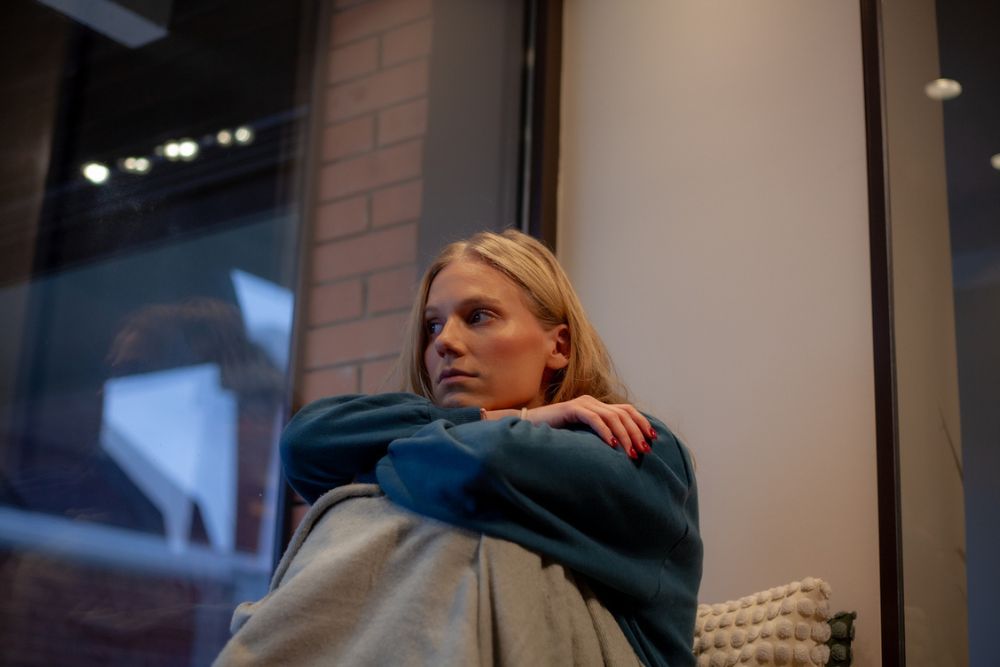
Loneliness is a common human experience, yet it often goes unnoticed because it’s an emotional state rather than a visible condition. Anyone can experience loneliness regardless of age, relationship status, career success, or the number of people around us. While occasional loneliness is a normal response to life changes or loss, persistent loneliness affects both...Read More
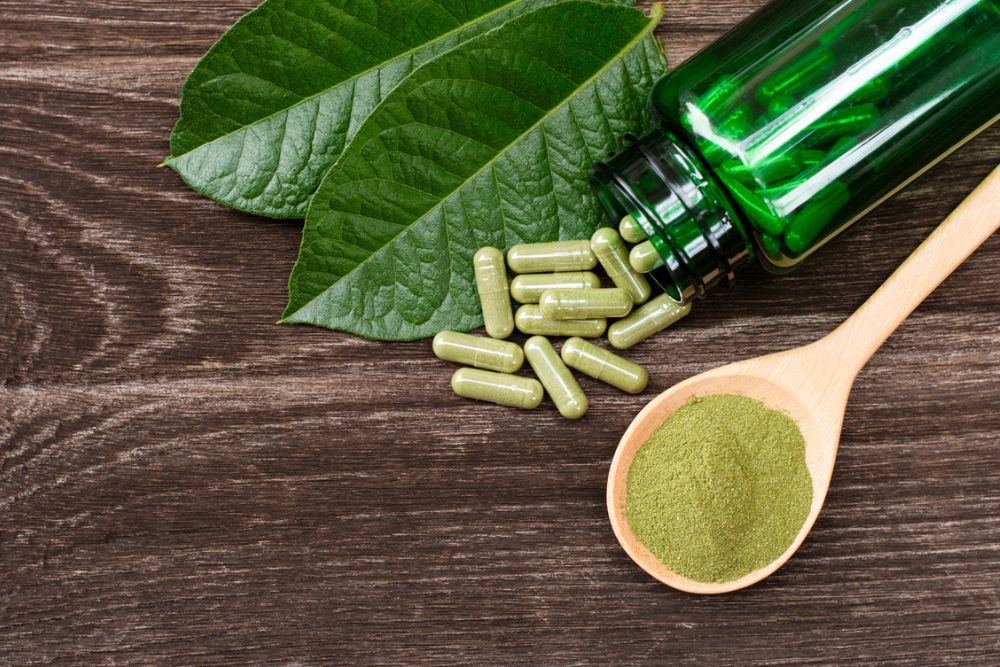
Kratom, a botanical substance derived from the leaves of the Mitragyna speciosa tree native to Southeast Asia, has gained popularity in the U.S. over the past decade. Some people use traditional kratom products for pain relief, increased energy, or to self-manage opioid withdrawal symptoms. While some users report benefits, kratom isn’t without risks. Regular use...Read More