According to the National Institute on Drug Abuse (NIDA), addiction is a chronic but treatable medical condition. That said, recovery from alcohol use disorder (AUD) or substance use disorder (SUD) is a personal journey that unfolds over time. While every person’s experience is unique, many people move through a series of recognizable stages. Known in...Read More
Members of the LGBTQIA2s+ community demonstrate remarkable resilience, yet many continue to face unique challenges that can affect both mental health and substance use outcomes. Research has consistently shown that, compared to the general population, LGBTQIA2s+ individuals experience higher rates of: Anxiety Depression Trauma-related symptoms Substance use disorders These disparities aren’t caused by sexual orientation...Read More
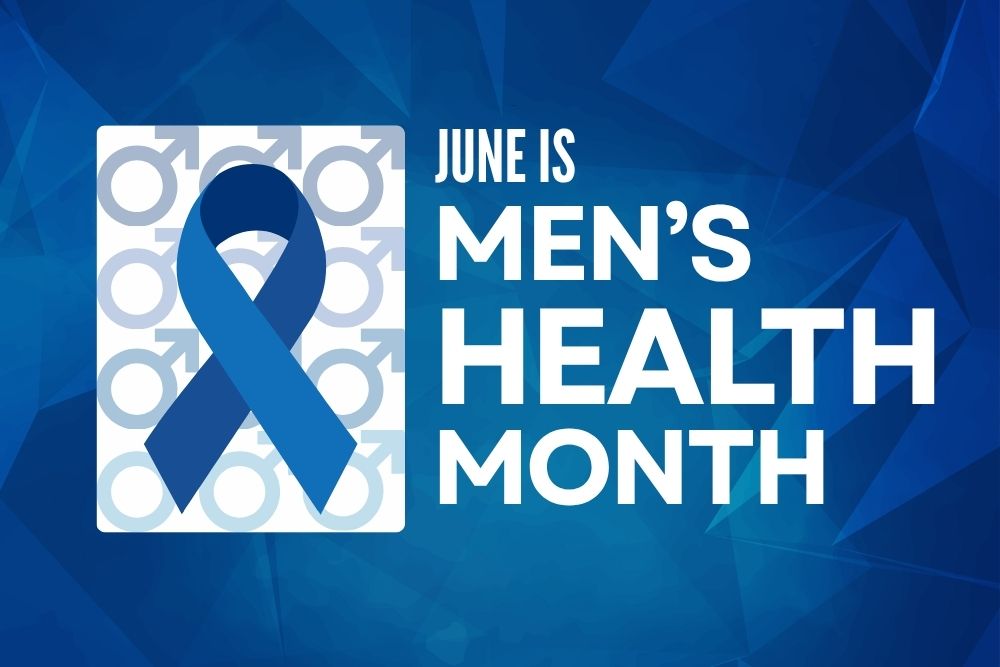
Communities across the U.S. observe Men’s Health Month to raise awareness about the physical, mental, and emotional health challenges facing men and boys. This initiative encourages early detection of health conditions, regular medical checkups, healthy lifestyle habits, and open conversations about emotional well-being. While physical health screenings remain important, organizations involved in Men’s Health Month...Read More
Meditation is often described as a way of training the mind, much like exercise trains the body. At its core, it involves intentionally focusing attention, slowing mental reactivity, and developing greater awareness of thoughts, emotions, and bodily sensations. The National Center for Complementary and Integrative Health indicates that regular meditation practice may help reduce stress,...Read More
Addiction recovery isn’t about being perfect every day. It’s more about continuing to move forward, even when challenges arise. Cravings are a normal part of the healing process, and experiencing them doesn’t mean you’ve failed. Over time, many people learn that cravings are more manageable when they build healthy routines, use coping tools, and stay...Read More
Self-compassion isn’t always easy—especially during stressful seasons or while managing their recovery or mental health. Many people hold themselves to high standards, replay mistakes, or focus on what’s missing rather than what’s present. Gratitude offers a quiet but powerful shift. It doesn’t ignore difficulty. Instead, it gently broadens your perspective so that challenges aren’t the...Read More
Anxiety is more than just feeling worried. It’s a full-body response driven by the brain’s threat detection system. This triggers a cascade of physical and emotional reactions: a racing heart, shallow breathing, tense muscles, and rapid, repetitive thoughts. One reason anxiety feels so intense is that the brain struggles to distinguish between the actual threats...Read More
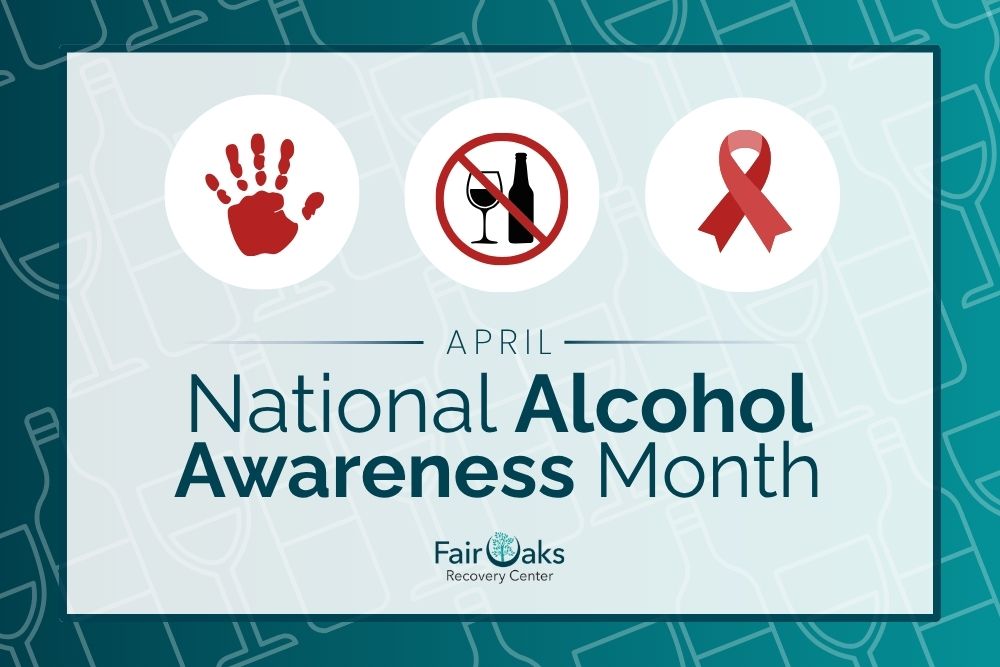
Each year, this national initiative increases understanding of alcohol use, encourages healthier choices, and aims to reduce the stigma surrounding alcohol-related concerns. Public health organizations, including the Substance Abuse and Mental Health Services Administration (SAMHSA) and the National Institute on Alcohol Abuse and Alcoholism (NIAAA), use this time to share educational resources, promote prevention strategies,...Read More
Imagine waking up excited because there’s something in your life that belongs just to you: painting a landscape, tending a garden, walking a trail, tinkering with a new skill, or strumming a guitar. While hobbies are often activities you choose simply because you enjoy them, research shows they’re far more than leisurely pursuits—they have meaningful...Read More
Alcohol use disorder (AUD) and substance use disorder (SUD) touch millions of lives, yet a challenging stigma about these diseases remains—often quietly shaping how people think, speak, and respond to those who are struggling. This stigma isn’t just hurtful, it’s dangerous. It discourages people from seeking necessary treatment, affects the quality of care they receive,...Read More