
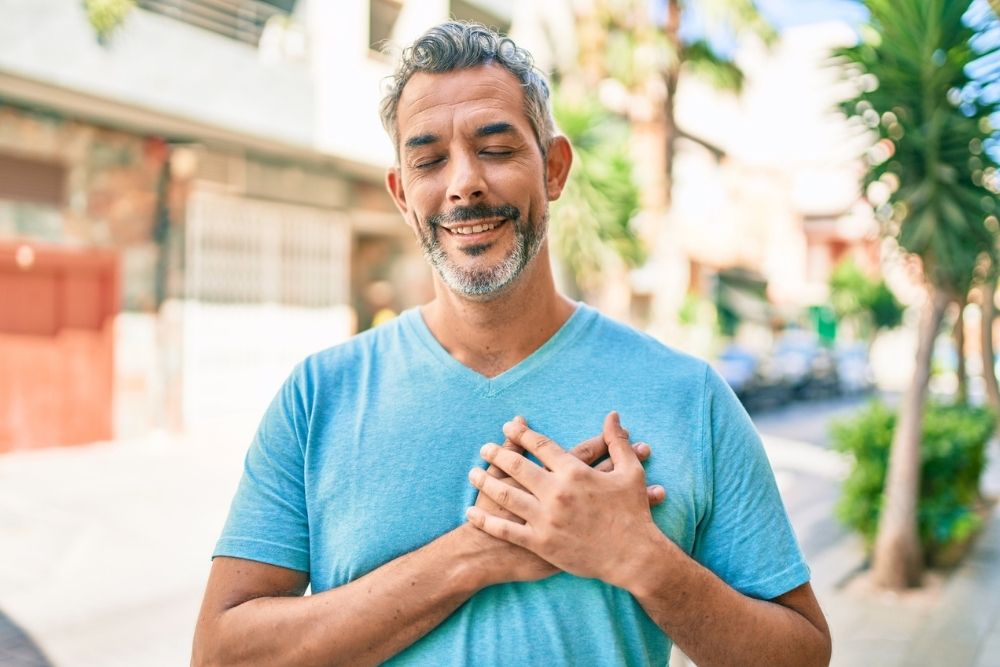
Self-compassion isn’t always easy—especially during stressful seasons or while managing their recovery or mental health. Many people hold themselves to high standards, replay mistakes, or focus on what’s missing rather than what’s present. Gratitude offers a quiet but powerful shift. It doesn’t ignore difficulty. Instead, it gently broadens your perspective so that challenges aren’t the only thing in view.
Research supports this. According to UCLA Health, practicing gratitude for just 15 minutes a day, several times a week, can improve mental wellness and even lead to lasting changes in outlook. Over time, this routine helps retrain the brain to notice stability, progress, and moments of meaning—making it easier to respond to yourself with patience instead of criticism.
How Does Gratitude Change the Way You Handle Stress?
Stress often narrows your focus. It pulls attention toward problems, uncertainty, or perceived failures. Gratitude works in the opposite direction by expanding awareness and calming the nervous system.
For example, a report from the International Society for Quality of Life Studies found that reflecting on gratitude helped reduce stress and negative emotional effects during the COVID-19 pandemic. Even in difficult circumstances, people who intentionally focused on what they appreciated experienced more emotional balance.
Gratitude also supports physical well-being. Studies highlighted by Harvard Medical School suggest that practicing gratitude improves sleep, encourages healthier habits, and enhances emotional regulation. How does this help you in everyday life?
- You may feel less overwhelmed by setbacks
- You may respond more calmly in difficult situations
- You may begin to notice progress instead of only problems
These small adjustments create space for self-compassion to grow.
Why Does Gratitude Support Emotional Growth?
Gratitude strengthens this skill by helping you pause, reflect, and reframe. Harvard also notes that gratitude is linked to increased emotional maturity, allowing individuals to process conflict and discomfort without escalating reactions. Instead of being driven by frustration or self-judgment, for instance, you gain the ability to step back and respond more thoughtfully.
This matters when you’re learning to give yourself grace. Rather than thinking, “I should have done better,” gratitude introduces a different question: “What did I learn, and what can I appreciate about how I handled this?”
How Can Journaling Strengthen Gratitude?
While gratitude can be practiced mentally, writing it down deepens its impact. Journaling turns fleeting thoughts into something more concrete and meaningful. Research from the Greater Good Science Center found that people who wrote gratitude letters experienced improved mental health for up to 12 weeks after the exercise. This suggests that the act of writing helps reinforce positive emotional patterns over time. Other benefits include:
- Reduces rumination. Writing helps interrupt cycles of overthinking.
- Creates emotional release. Provides a safe space to process thoughts and feelings
- Improves clarity. Encourages reflection and insight.
- Strengthens memory of positive experiences. Makes it easier to recall meaningful moments during stressful times.
The physical act of writing also engages the brain in ways that strengthen learning and self-awareness, making your reflections more impactful.
What Are Simple Ways to Start a Gratitude Practice?
It’s not about forcing positivity or ignoring difficult feelings—it’s about gently widening your perspective so you can treat yourself with more understanding. When you’re trying to give yourself grace, gratitude helps soften self-criticism and recognize that progress, effort, and even simply following your daily recovery routines all matter.
Notice Effort
Acknowledge the reality of your experience, not just your outcomes:
- Recognize effort over perfection. Pay attention to what you tried, not only what went well.
- Appreciate emotional effort. Surviving a hard day or handling stress is something worth noticing.
- Give space for being human. Remind yourself that setbacks don’t erase growth.
Turn Gratitude Inward
While we often extend it toward others, include compassion for yourself:
- Recognize your resilience. Confirm how you’ve kept going, even in small ways.
- Notice personal strengths. Identify qualities such as patience, honesty, or persistence.
- Acknowledge self-care moments. Even basic choices—resting, eating, pausing—can be acts of support.
Reframe With Compassion
Instead of using gratitude to dismiss struggle, use it to hold space for it:
- Find something steady in the moment. Even if everything feels heavy, identify one stable point.
- Name what you’re learning. Look for insight without judgment about how you’re doing it.
- Balance honesty with kindness. You can recognize difficulty while still treating yourself gently.
Keep It Flexible
There’s no “correct” way to practice gratitude when you’re working on self-compassion. Different ideas work for various reasons:
- Mental reflection. Quietly naming what you appreciate when journaling feels too structured
- Short written notes. A few words when something stands out, without pressure to be consistent
- Everyday awareness. Noticing small moments of relief, comfort, or effort throughout the day
As you can see, not only do you deserve to make space for your gratitude practice, but you also have options to recognize what you’re thankful for in small but essential ways, especially on the days when grace is hardest to give.
Trust Fair Oaks to Help You Move Forward
Giving yourself grace is a skill that takes intention and practice. But by consistently noticing what is steady, meaningful, or supportive in your life, you create space for a more balanced and compassionate perspective. In doing so, it becomes easier to treat yourself with the same patience and understanding you would offer someone else.
At Fair Oaks Recovery Center in Sacramento, California, we’re an inclusive, licensed Chemical Dependency Recovery Hospital—a status issued by the California Department of Public Health to addiction rehabilitation and dual diagnosis/mood disorder treatment facilities. Our board-certified medical professionals provide you with the progressive tools necessary to create a better life. If this is the professional care you’ve hoped for but have yet to find, contact our admissions team today.