
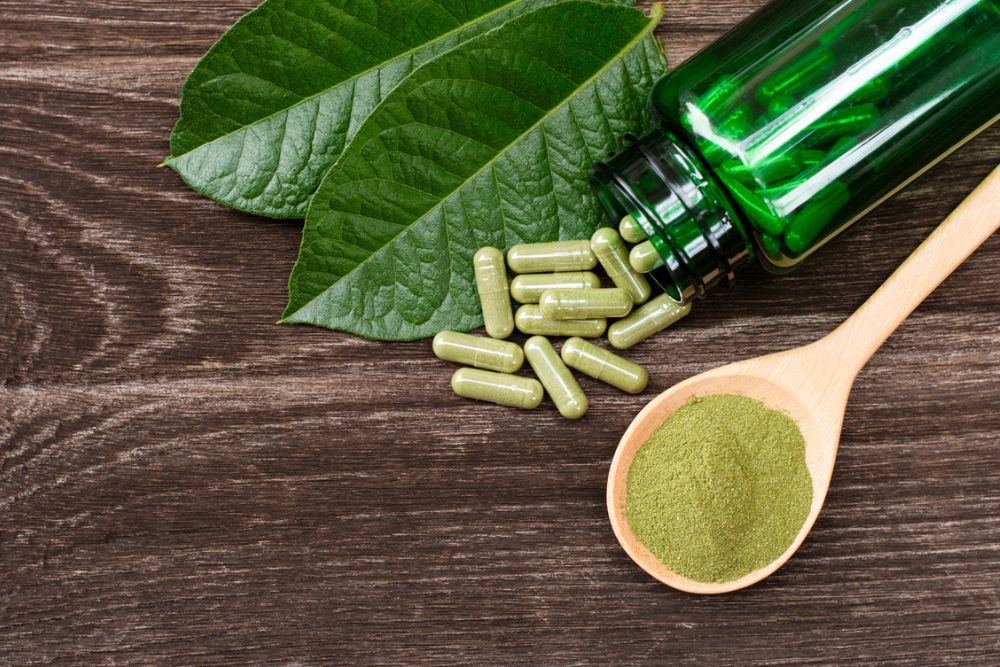
Kratom, a botanical substance derived from the leaves of the Mitragyna speciosa tree native to Southeast Asia, has gained popularity in the U.S. over the past decade. Some people use traditional kratom products for pain relief, increased energy, or to self-manage opioid withdrawal symptoms. While some users report benefits, kratom isn’t without risks. Regular use can lead to tolerance, physical dependence and addiction, particularly when taken in high doses or over long periods.
More recently, health officials have raised alarms about a new category of products containing highly concentrated 7-hydroxymitragynine (7-OH), a naturally occurring kratom alkaloid that’s present only in trace amounts in raw kratom leaves. Unlike traditional powdered leaf or tea, many commercially available 7-OH products contain concentrated or chemically modified forms of this compound, making them significantly more potent and potentially more addictive than natural kratom.
Understanding Kratom Addiction
Although often marketed as a natural supplement, “natural” doesn’t necessarily mean risk-free. Kratom interacts with opioid receptors in the brain, particularly at higher doses, producing effects that can resemble those of prescription opioids. With lower doses, users often report stimulant-like effects such as increased alertness and energy. With higher doses, kratom can produce sedation, pain relief, and feelings of euphoria.
With repeated use, some individuals develop tolerance, requiring increasingly larger amounts to achieve the same effects. This can progress to severe physical dependence, when stopping use results in withdrawal symptoms such as:
- Anxiety
- Irritability
- Insomnia
- Muscle aches
- Nausea
- Sweating
- Cravings
For some people, these symptoms can make quitting difficult without professional support.
Why Are 7-OH Products More Addictive?
The greatest concern among regulators isn’t necessarily the traditional kratom leaf itself but the rapidly expanding market for concentrated 7-OH products. While 7-hydroxymitragynine occurs naturally in small quantities within kratom, manufacturers have developed products containing much higher concentrations than would ever be encountered in the plant.
These products are often sold as gummies, tablets, capsules, powders, beverages, and liquid shots. Because they deliver substantially larger amounts of the active compound—as much as 50% of the traditional kratom leaf—they produce much stronger opioid-like effects than traditional kratom. Increased potency also increases the risk of tolerance, dependence, addiction, and overdose-like toxicity.
Recognizing these concerns, the U.S. Drug Enforcement Administration (DEA) announced in July 2026 its intent to temporarily place concentrated 7-OH above specified thresholds, along with several related synthetic substances, into Schedule I of the Controlled Substances Act. The agency cited evidence that these products pose significant risks to public health due to their high potential for abuse and addiction. Importantly, the DEA’s action specifically targets highly concentrated 7-OH products and related synthetic compounds rather than traditional botanical kratom itself.
How California Recognizes Problems With Illegal Kratom and 7-OH Products
California has emerged as one of the most aggressive states in addressing this issue. In March 2026, Governor Gavin Newsom announced that state enforcement efforts had achieved approximately 95% compliance among licensed businesses in removing prohibited kratom and 7-OH products from store shelves.
According to the Governor’s office, more than 3,300 illegal products were removed within just three weeks through coordinated enforcement by multiple state agencies. Officials described these products as posing significant health risks because many contained concentrated 7-OH or otherwise violated California’s public health standards.
California’s enforcement reflects growing concern that highly concentrated kratom-derived products have become widely available in convenience stores, smoke shops, and online retailers, often with little oversight regarding potency, labeling, or manufacturing quality. This all creates a greater risk of kratom addiction, making education, prevention, and early intervention essential for protecting public health.
Recognizing the Signs of Kratom Addiction and Seeking Help at Fair Oaks
Whether someone uses traditional kratom or concentrated 7-OH products, they move through certain stages that indicate a developing substance use disorder. These include:
- Needing larger doses over time
- Experiencing withdrawal symptoms between uses
- Unsuccessful attempts to cut back
- Spending increasing amounts of money on the product
- Neglecting responsibilities
- Continuing use despite negative consequences
Individuals using concentrated 7-OH products may progress to dependence more quickly because of the products’ increased potency and stronger activation of opioid receptors.
At Fair Oaks Recovery Center in Sacramento, California, we’re an inclusive, licensed Chemical Dependency Recovery Hospital—a status issued by the California Department of Public Health to addiction rehabilitation and dual diagnosis/mood disorder treatment facilities. We have the resources you or a loved one might need to make recovery from kratom or 7-OH substance use disorder a reality.
Treatment may include medically supervised withdrawal, behavioral therapy, counseling, peer support groups, and treatment for any underlying mental health or substance use disorders. We offer a full continuum of care to provide you and your family with the necessary structure and support to restore a healthier life. Reach out to our admissions team today to learn how we can help.