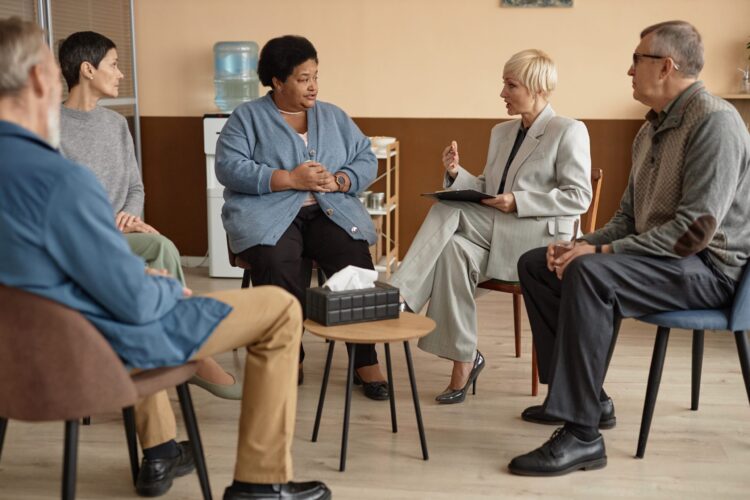
One of the most prevailing myths about addiction is that someone who develops alcohol use disorder (AUD) or substance use disorder (SUD) simply doesn’t have any self-control, and that’s the reason for their disease. This thought continues to perpetuate the stigma, so it’s critical to explain how many catalysts cause addiction—and why finding individual solutions...Read More
Maybe you identify with this anonymous quote: “I don’t understand why people have to ‘get ready’ for bed. I’m always ready for bed.” Whether you struggle with insomnia and related sleeplessness because of transitioning into recovery, life or family changes, or stressful events, take heart. It’s possible to establish a sleep hygiene routine that helps...Read More
Many rehabilitation programs include some type of 12-Step program to help people recognize aspects of recovery, stay accountable to the effort, and receive support from dedicated people who understand the joys and challenges of choosing to be sober. However, some individuals want a little more than what these programs offer. The SMART Recovery organization, established...Read More
Relying on a series of healthy habits that support your sobriety might sound a little rigid at first. After all, there’s a lot to discover when you allow for spontaneity. However, behavioral scientists reinforce that following a routine and developing meaningful rituals within it puts you more in control of wellness. Why Routine Is Good...Read More
As you consider spending time with relatives whom you might not see regularly, especially during the holiday season, it’s not always easy to be sure who knows what about your recovery journey. There could have been some gossip about you going into treatment. Or maybe not everyone is aware of your transformation into sobriety. Whether...Read More
If you’re sober, the holidays can be fun in numerous ways. Some celebrations might include family members, others a few close friends, and still others might involve getting out into the community more than you used to with different festivals and events. As you plan ahead for the season, stay focused on managing expectations, being...Read More
In 2024, the Armed Forces Benefits Association indicated that “Post-traumatic stress disorder (PTSD) is a significant concern among military personnel and first responders, who are often exposed to traumatic events in the line of duty. While about 6% of U.S. adults are diagnosed with PTSD, that number jumps to 15% for paramedics and over 23%...Read More
Intensive outpatient programs (IOP) are viable options if you or someone you love doesn’t require the 24-hour supervision and care provided by residential treatment but still need dedicated support to address substance abuse or mental health issues. Some people opt to complete a partial hospitalization program first, while others start right away with IOP care....Read More
When it’s time, it’s time. There’s no need to struggle with mental or emotional health or addiction any longer. At Fair Oaks Recovery Center, we want to support your courageous decision to get the help you need in every way possible. This is why we have a comprehensive level of healing services to provide a...Read More
Being a parent is one of the most rewarding yet challenging roles a person can take on, filled with moments of joy, growth, and unconditional love. But for parents in recovery, the journey takes on even deeper significance. Fortunately, with the help of family therapy and resources from around the world, you can create meaningful,...Read More