Every May, Mental Health Awareness Month reminds us of a truth that’s often overlooked: mental health is health. While conversations around mental wellness are more common, stigma, misunderstanding, and lack of access to care still prevent millions from getting the help they need. That’s especially true for individuals living with dual diagnosis—a condition in which...Read More
In late 2024, the California Department of Public Health (CDPH) released its California State of Public Health annual report. Some of the most concerning topics included the following facts: “Drug overdose was by far the leading cause of years of life lost, and a leading cause of increase in deaths and years lived with disability.”...Read More
Intensive outpatient programs (IOPs) are a cornerstone for mental health, alcohol use disorders (AUD), and substance use disorders (SUD). Recent studies highlight the effectiveness of IOPs, particularly when integrated with evidence-based therapies. Fair Oaks Recovery Center in Sacramento exemplifies this model, providing you or a loved one with accessible, compassionate, and clinically robust health care....Read More
As we try to maneuver our way through life and all its inevitable curveballs, it’s easy to become overwhelmed or stuck in negative thought patterns. One of the best ways to shift our perspectives and improve mental and emotional health in recovery is by exposing ourselves to new ideas, stories, and perspectives. Uplifting podcasts can...Read More
Mindfulness has become a buzzword in recent years, but its roots extend far beyond modern wellness trends. PositivePsychology.com notes that “mindfulness is a practice involved in various religious and secular traditions—from Hinduism and Buddhism to yoga and, more recently, non-religious meditation. People have been practicing mindfulness for thousands of years, whether on its own or...Read More
When you’re trying to manage your health successfully, knowing “life hacks” such as how to set meaningful goals or using habit stacking to improve your recovery routine really makes a difference. While the concept of H.A.L.T might have been introduced to you during treatment, it’s always helpful to have a refresher on this technique so...Read More
Some people find that they’re less reliant on mental health medication when they exercise regularly. There are many reasons for this: Consistent movement releases “feel good” brain chemicals such as dopamine, endocannabinoids, endorphins, norepinephrine, and serotonin. These hormones and neurotransmitters play a large part in our overall stress regulation and nervous system function. The American...Read More
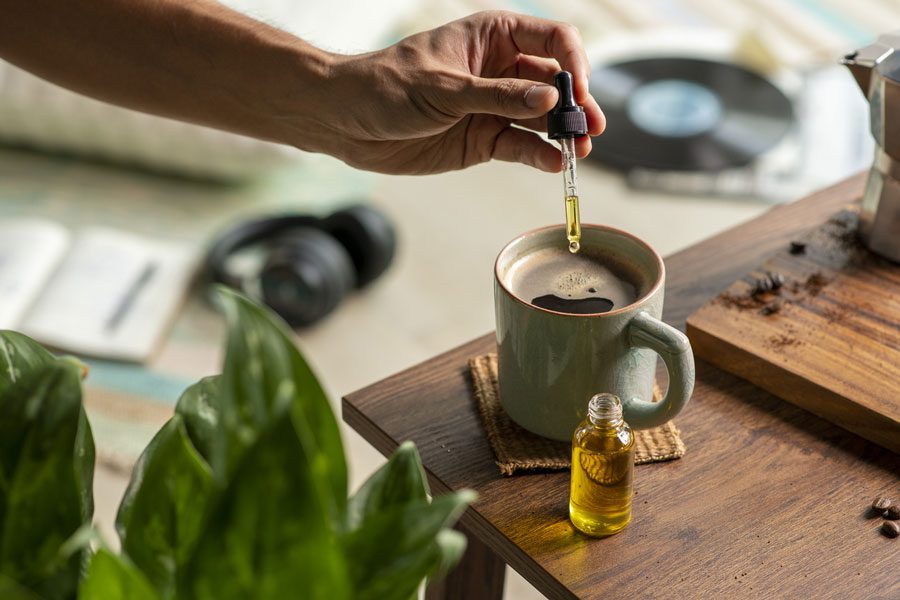
In California, marijuana derived from the Cannabis sativa plant is legal for both medical and recreational use. Another cannabis product, hemp, is widely used to manufacture non-psychotropic cannabidiol (CBD) products such as capsules, creams, edibles, oils, and tinctures. Generally, they shouldn’t be produced with the same marijuana compound that creates a “high.” However, despite the...Read More
Watching someone you care about struggle with addiction is incredibly painful. It’s often hard to understand why they can’t just stop using, especially when they’ve promised to do so, or when they seem to ignore the negative consequences. Unfortunately, there are many myths about addiction, but decades of research indicate that it’s a complex, multi-stage...Read More
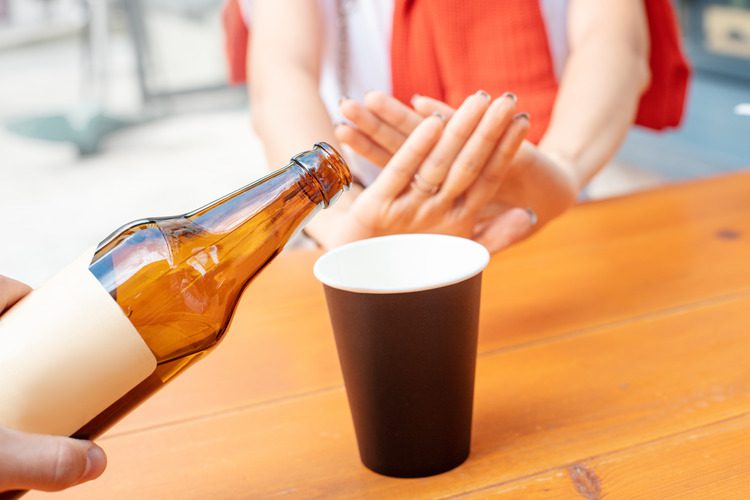
The majority of addiction rehabilitation facilities encourage the philosophy of abstinence over moderation. Why is this? Numerous reasons, including the most important one: addiction isn’t a choice. Research indicates that most people with certain risk factors experience predictable neurological changes with each use, which only creates a stronger dependence. So let’s take a closer look...Read More