Imagine waking up excited because there’s something in your life that belongs just to you: painting a landscape, tending a garden, walking a trail, tinkering with a new skill, or strumming a guitar. While hobbies are often activities you choose simply because you enjoy them, research shows they’re far more than leisurely pursuits—they have meaningful benefits for mental, emotional, and physical health. In fact, hobbies often serve as vital tools for rebuilding a healthier, more fulfilling life, especially if you’re managing stress, mood disorders, or addiction recovery.
More Than Fun: Why Hobbies Matter
These dedicated pastimes fill an important gap in life: they provide structure, purpose, identity, and positive engagement beyond work or responsibilities. For someone in recovery from addiction—or coping with anxiety, depression, or another mental health disorder—hobbies counter some of the biggest relapse triggers, including boredom, isolation, and emotional instability. Instead of empty hours or automatic coping patterns, your dedicated interests offer intentional, fulfilling activity.
Harvard Health notes that adults who regularly engage in hobbies report better overall health, higher life satisfaction, and fewer symptoms of depression than those who don’t—a pattern seen across large, multinational samples.
What Are the Mental Health Benefits of Hobbies?
One of the strongest scientific findings is their connection to mental well‑being. A review in the International Journal of Mental Health Nursing noted that engaging in leisure activities helps:
- Reduce symptoms of anxiety and depressive symptoms.
- Improve focus, memory, and cognitive flexibility.
- Provide a positive distraction from rumination and negative thinking.
- Foster a sense of accomplishment and purpose.
For people in recovery, these mental benefits directly counter processes that often occur during addiction: disrupted attention, emotional dysregulation, and repetitive negative thinking. Hobbies aren’t a cure, but they provide meaningful, healthy stimulation that supports cognitive well-being.
What Are Some Emotional Health Advantages?
When you engage in activities that feel personally meaningful—whether it’s drawing, crafting, writing, playing music, learning a language, or something else—you reconnect with parts of your identity that might not have been nurtured in difficult seasons of life. By participating in voluntary, self-driven interests, you:
- Restore a sense of self and personal identity.
- Boost confidence through measurable progress.
- Help regulate emotions by providing a positive outlet.
- Reduce stress and create experiences of joy.
In a large American Psychiatric Association poll, nearly half of respondents who participated in creative activities reported that they used them specifically to reduce stress and anxiety—highlighting how leisure pursuits serve emotional regulation needs.
These benefits are especially important during recovery, when many people struggle with feelings of boredom, loss, and a diminished sense of purpose. A hobby is something to care about and reflective of your time and effort.
How Can Hobbies Improve Your Physical Health?
Even light or moderate activities—such as hiking, dancing, gardening, or recreational sports—contribute to:
- Better cardiovascular performance.
- Lower risk of chronic diseases.
- Improved sleep quality.
- Increased energy and mobility.
Kaiser Permanente indicates that active hobbies contribute greatly to lowered stress hormone levels, improved mood, and lead to better overall health outcomes. Additionally, physical activity naturally boosts dopamine, your brain’s “reward” chemical. This is especially relevant if you’re managing addiction recovery. Rebuilding healthy dopamine pathways through meaningful activity helps replace the artificial highs associated with substances.
Boosting Social Connection With Shared Interests
Isolation is one of the strongest predictors of relapse and poor mental health outcomes. Hobbies that involve other people—such as group classes, clubs, dance or sports teams, book groups, or helping others—offer built‑in social opportunities that reduce loneliness and build supportive networks.
UCLA Health reports that socially oriented activities are associated with fewer feelings of anxiety, reduced stress, and improved well-being. Making new connections based on mutual interests also provides natural accountability and community—two elements often lost but desperately needed in recovery.
5 Meaningful Hobbies to Explore
Not all pastimes are equal in their benefits, but the best ones frequently blend enjoyment, engagement, and growth. Here are just a few research‑supported options worth trying:
- Gardening. When you merge a nurturing purpose with mindfulness and gentle physical activity, the benefits are endless.
- Creative arts. Painting, crafting, writing, and playing music are just a few outlets that offer valuable emotional expression, stress reduction, and a sense of progress.
- Outdoor activities. Hiking, geocaching, birdwatching, and other hobbies combine exercise with nature exposure—a positive link to reduced stress and improved mood.
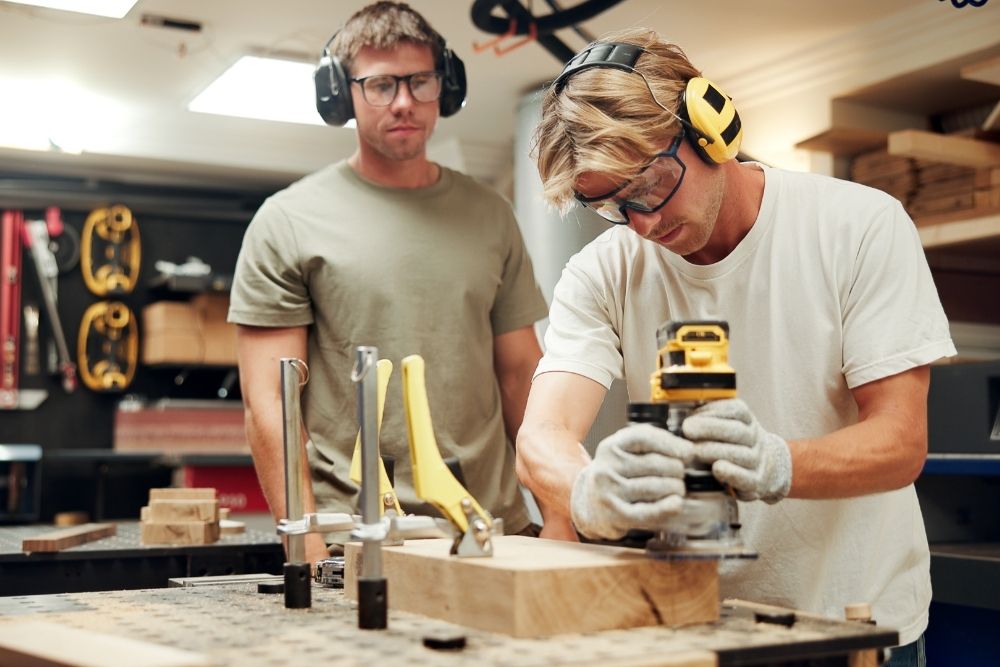
- Skill-based pursuits. From cooking to woodworking, you’ll discover new opportunities to build confidence, focus, and practical accomplishment.
- Group activities. Volunteering, team sports, and other communal efforts foster community, connection, and accountability.
Fair Oaks: Good For Your Mind, Body, and Spirit
Whether you’re managing a mental health condition, in addiction recovery, or simply striving for a healthier life, dedicating yourself to a hobby helps rebuild your brain, regulate emotions, and restore your body—one meaningful moment at a time.
At Fair Oaks Recovery Center in Sacramento, California, we’re an inclusive, licensed Chemical Dependency Recovery Hospital—a status issued by the California Department of Public Health to addiction rehabilitation and dual diagnosis/mood disorder treatment facilities. Our board-certified medical professionals ensure that you always learn new benefits from our whole-person care approach and develop lifelong skills for wellness. If you or a loved one needs this kind of progressive treatment approach, ask a member of our admissions team how we can help.